Are the Teenage Years really the Best Years of your life?


“You are the Dancing Queen, feel the beat of the tambourine, Dancing Queen, young and sweet- Only Seventeen Oh ohhh”

Strutting down the streets on a Friday and Saturday night, with your group of thirty friends, to arrive at either at one of your local nightclubs (probably with a fake ID) or in more recent cases at a pub. Only to get smashed off your faces, to meet new amazing people and of course to have a wonderful time. Then once the weekend is over, you are back at college again, hanging about in the common room. You suddenly realise there is yet another test which you haven’t revised for, however you manage to somehow effortlessly pick up your pen and produce yet another essay worthy of an A. You head to netball practice later on in the evening, where of course you compete on a regional basis in the team you also spend your weekend nights out with! Then at the end of the day when you finally get a bit of time to yourself, you automatically open your Instagram account, which has at least 3000 followers, to check up on everybody else…

Made you giggle? Um well, don’t worry if it did because I am definitely on the same wavelength, as I am sure most of us are. Yet this highlights the way in which we are expected to live up to this high standard lifestyle, which is unrealistic and probably unhealthy . And these expectations have always been there, though I feel that in recent years, this has become somewhat worse…

Actually Everything Sucks

With the amount of external pressures we face as young people, it is going to be hard for us to find the time. Because while in the UK exams have become more difficult with the new 9-1 system, there’s also much pressure on us to have paid jobs. Now I do understand that young people have generally needed to balance some kind of paid work on top of education, but with the pressures of getting certain grades seeming to ever increase, it does seem as if things are getting harder. Leading to some overestimating how stress free our lives are meant to be. I know I was 15 when I found my first job, however I started doing paid work from about the age of 12 or 13, so that I could fund things like clothing which wasn’t considered “essential”. Tipping all this over the edge, there is a lot of pressure for young people to partake in a wide range of extra curricular activities, which generally speaking is a positive. However when it comes to a point where doing this feels more like a chore as opposed to a break, it turns into more of a problem…

It is also desirable to have a social life, meaning a proper one! But in reality not everyone is going to be living up to this kind of standard, and I dare say not everyone would want to! While the rise of the internet has certainly enhanced this. Because without it now I would certainly feel it, Paul from down the road would feel it, and even your Mum would! But some of the implications that this has are toxic, especially for us young soles. Because as we become more exposed to the internet, it means that it will become ever harder for us to find some escape route from expectations, and standards which many already feel obliged to live up to. A study of 1500 15 and 16 year old’s proves this as it found that those who saw more pictures of teenagers smoking and drinking were more likely to do begin themselves. But what really is the trouble with this when young people have always been influenced to some degree by the behavior and lives of their friends? As if it isn’t pictures, young people are still likely to pick up on what their friends are doing by word of mouth. Nevertheless a report shows that “Gen z” as of 2017, spent on average four hours and 10 minutes a day, just on mobile devices. While in normal circumstances, the average school day lasts around 7 hours, this adds a massive amount onto the timeframes of which teens are going to be under these pressures.

“But I Think that Teenagers are Exaggerating”

Okay, so this statement really depends on the teen, because while there are many who have very busy lives, I guess there are a few who genuinely do sit on their beds all day doing nothing. Therefore they can’t really be that stressed can they? While there are people (at least at my school πŸ˜₯ ) who seem to effortlessly get As, while claiming that they do no work! Now I am sure they are exaggerating, but from an outsiders perspective it can lead to questions about how hard we do actually work . But regardless, it can feel as if though we are working pretty hard, we aren’t working for as long as adults. But yet again, this really does depend on the person.

But if my previous arguments aren’t convincing, and you think I am making rather lame excuses to moan about everything, there is actually a scientific reason as to why we are grumpy a lot of the time. So during adolescence, there are “huge amounts of personality change” where due to these hormonal changes, the young person is perceived to be “less virtuous” to the parent, in this period of time. As well as this there are huge changes in ones environment during teenage years. Because one minute we are almost just children, the next minute we are made to feel like we ought to be off doing things which our parents wouldn’t want us doing then before we know it- it is time to leave home! Even if this is only going to be for a few years. Yikes! And while we are learning so much academically, practically and emotionally, it’s no wonder why we are tired all of the time!

This also makes us more susceptible to mental illness. As “a simple trigger could put one into a state of euphoria or depression”. It is estimated that about 1 in 5 teenagers in the UK suffer from a mental health condition, however in reality it is likely to be much higher due to the fact that many mental health conditions, especially amongst young people, go undiagnosed. Meanwhile 75% of mental health problems are established before the age of 18, meaning that throughout teenage hood we begin to suffer with something which we may not yet have the confidence to seek help for, let alone be able to manage. And though mental illnesses are always very difficult, they tend to be most severe when we are teens/young adults. While often as we grow older, we find ways to live and manage our mental health condition, however when someone first develops something it’s usually much harder.

Can Things Actually get Better?

Now I am aware that I am only a teenager myself, therefore it is hard to comment on whether adulthood can be much better. But I feel and hope that as we age, we learn to overcome issues like pressures, as we emotionally mature. As even as an older teen, managing the same difficulties experienced at a younger age have become a lot easier for me personally, though saying this different challenges have arisen. I am sure that this pattern is still very true at 20, 40 or 60.

It is also true that “the teenage years are considered to be too young an age for one to be fully aware of what being truly happy means”. Therefore this does raise the question as to whether teenagers can really be happy in this essence of being carefree or whether it takes time to develop and learn how to live a happy lifestyle, once we have been removed from the safety bubble of our childhood. If anything at least we should be less susceptible to external pressures which we don’t want to be apart of. Because life should be less of a competition between grades and social status, and rather we will be able to accept ourselves more so and learn to get along with one another. With freedom for everyone to live their lives as they choose.

Therefore maybe it comes down to the mindset of the person as a late teen and in future years, to manage to learn the best way at going about a happy life. Because I am sure that some teenagers really do have a good time at that age, being free, having plenty of friends and fun and not having too much to worry about compared to adults. Yet saying this, the teenage years are a really confusing time, and it can be difficult if you do not fit into that bubble or if you go through a lot at that age. Or even having gone through a lot during childhood and now coming to terms with it but still making the transition from childhood daunting. However usually as we grow, self acceptance grows while generally people are more tolerant of one another. So yes our lives can be great as a teen, nevertheless don’t lose hope if it doesn’t feel this way. And remember that we can make our future betterπŸ’™

Why you Probably have been Failed by the Mental Health System


Why is it that if something feels wrong on the outside, then people pay so much attention, they become so concerned and they are so quick to find anyone who could potentially be a help, to help us to heal. However if something hurts on the inside then the response is rather much the opposite, as it is rather difficult to see something that is invisible, and it is much harder to scan for a physical diagnosis…

Though we do hear an awful lot about mental health these days, and I would hope that most of us who do so, realise that it can affect anyone! At least it feels like we are finally in a generation where there is enough “awareness”, yet this on its own doesn’t usually equate to something that is equip to start combatting some of the relevant issues. In this case it is rather the opposite. Rather this “awareness” causes a load of stigma to arise, and even those who mean well don’t always act in the best way… Surely it can be better, but what could be the cause?

For a start, we have a system lacking sufficient finances and empathy; where the majority of people who need it don’t even stand a chance of getting any kind of help. Meanwhile those who are fortunate enough to get acknowledged are certainly not guaranteed to receive sufficient support, due to these predetermining conditions. It is almost self explanatory in that when there is a system that isn’t being fed to help the number of people in the ways that it needs to, chances are that the people in need aren’t going to be helped in a decent way either.

But why is such a fundamental system let down so much? When in reality one in 4 people are said to suffer with a mental health problem EACH YEAR. And while there is clearly a problem with the funds for physical health as well, in 2018-19 the NHS planned for Β£12.2 billion to go toward mental health which may sound like a hefty sum of money. Yet in reality this is the equivalent to one pound per ten pounds spent. Then when we take a look at some of the statistics relating to the quality of mental health treatment, this only becomes more daunting. Only 14% of young people begin treatment for mental health within four weeks while half waited more than 18 weeks, when the MAXIMUM waiting time for non urgent physical health treatment (pre covid) was made to 18 weeks! Almost dictating to us that mental health is less important, when it is equally so! But the case isn’t as simple as that people needing treatment either have prolonged waiting times or don’t get treated at all, but it also means that the severity over this time is going to worsen. Therefore we find ourselves at a breaking point where someone’s condition literally has to get to a point where it is “bad enough” before it can be treated. This actually means that there would need to be more spending on each individual case.

Also the mental health system happens to be very prejudice, resulting in some groups of people standing even less of a chance of being sufficiently treated. Proving this, as of 2014 14.5% of white British” people were receiving some kind of treatment for mental health compared to only 6.5% of black people- being less than half! Surely the fact that some are less likely to be treated than others due to being who they are should not be acceptable? Also this results to people in these groups being less confident in being as open about their mental health, knowing that they are unlikely to be taken seriously. This seriously needs tackling!

Moreover, schools do not have a good record in dealing with mental health issues effectively. Because if a young person is on the way to receiving some kind of professional help, or if they are having problems which aren’t and not going to be dealt with professionally, then the support given to them stands a rather low chance of being adequate. Mainly due to the lack of understanding around schools concerning mental health. Now I could throw another load of facts your way, but in this case I am choosing to talk from my own experiences. As in the majority of cases that I am either told about or that I hear about, most people have said that they don’t feel that the help they received has been too helpful, and in many cases it has added to the stresses. Coming to my personal experience, one time I remember a teacher heavily implying that I were attention seeking, another I told them about something then there was absolutely no follow up issue regarding this specific thing (and this was actually something rather serious), then another time I told a teacher not to tell who I lived with at home, then we both had a bit of a giggle as she told me this certainly will not happen. Until one day, when I finally found out that she had acted behind my back, phoning home about the issue that she told me she wouldn’t tell anyone about, and telling them not to tell me she had phoned. No wonder most young people are so afraid to seek help about an issue, and instead choose to bottle it up. Even when it is stressed to them that bottling something up is the last thing that anyone should do!

The stigma surrounding mental health could well be at the root as to why there is such a lack of funding within the system, and why early intervention doesn’t always feel like it is. For instance some teachers may not take a student suffering with anxiety seriously assuming that they can “just snap out of it” because they “worry too much”, they are “attention seeking” or that there is not enough difficulty occurring in their lives to cause this. Which replicates the assumptions that so many people hold. But whether this happens within the school, within the health system or within the outer world, it does explain why so many people feel that they cannot get sufficient support. While whose who are brave enough to have a look to see if they can get help, are rather likely to have their feelings invalidated- meaning that next time they are most likely to want to bottle it up!

As touched upon earlier, although I accept that sometimes it would be helpful if those who cared for the young person were informed, not everyone is this fortunate, and often parents can be incredibly skilled in invalidating what the person is going through. To the extent that they could subsequently make the person feel worse about themselves rather than better. While it is important to keep in mind that parents can often contribute to the cause of the young person’s problems!

Another issue concerns peoples assumptions. The toxic presumption that men are “weak” if they are open about topics like mental health, not being “masculine enough” means in turn that they are going to feel more ashamed about what they are going through, less likely to admit it to themselves thus less likely to seek the appropriate treatment. The hideous evidence lies within the fact that the suicide is the biggest killer for men under 40. This proves how the extent of our stereotypes and assumptions really can travel such a long way, and affect people on such a colossal scale!

Finally, most of us know about depression and anxiety, and most of have a rough idea of how they can affect people. However think of something like bipolar then it is no longer a illness which needs to be treated, but it turns into some way of describing some freak show. Then there are other mental illnesses which many people cannot begin to take seriously, making it even more hard for people to be able to seek the appropriate help required.

So from this, I hope that it is clear that there is definitely something which needs to be done about the mental health system that we currently have, to ensure that people are able to get the treatment that they deserve. There needs to be a continuation of not only the effort put in to make one another aware of different illnesses and symptoms, but this also needs to be put into practice. We all need to rethink our own actions and attitudes toward mental health, and to especially question our assumptions. Meanwhile to keep pushing for more advocacy toward improving services.

And even though you may feel powerless alone, by just providing a listening ear to one person going through something, even for half an hour or so, can make a significant difference to the way they feel about attitudes toward their own mental health. And though we have a system that is failing us, we still have the power to turn this around for future generations.

Why do People hate Vegans?


What is the word for these burgers which aren’t actually burgers at all but rather they are made up of tiny bits of chopped up crap? Oh yeah… “Plant based”, that it. Really I shouldn’t have forgotten it considering how we hear and see so much about it these days! A few years ago I would have asked who on earth eats this stuff anyway but there seems to be an ever growing number of them, as if they are kind of taking over from those who eat real grub. Well I still don’t know how anyone could eat it anyway, I mean where is their source of fundamental micro and macro nutrients? Like protein, iron and calcium? I mean it can’t be healthy…

Worse though they are replacing what we have always loved with this strange stuff, as apparently they are more likely to sell these days. Lets hope on day they will regain their sense of the world and realise that everyone needs MEAT. Meat, meat, meat!”

I rest my case, and I am not even vegan, but you hear enough of this just being veggie. But why is there so much hostility about us quietly go about dabbling at our veggie burgers while we watch them wolf down their steak pie in peace? I suppose a few of them are slightly annoying, but really it is only because we are doing this out of a moral concern. So what can it be that makes people hate vegans so much?

Before we delve into the reasons as to why vegans get so much shade, let’s take a look at the extent of hostility toward them. For a start if you are due to attend a family friendly vegan festival, then you might want to rethink whether you really want to bring your little ones there. As many of these have had anti vegan protesters turning up, even eating raw animal meat in front of the audiences perplexed faces. This included at Brighton vegan festival, where anti vegan conspiracy theorist Latis Lagzdins, claiming that children are dying from veganism, turned up only to eat a dead pigs head. And it is not only little festivals which face so much backlash, and it’s not only those on the “extreme” who throw it their way. But when Tesco showcased vegan produce,, they faced protests from the National Farmers Union. It seems that wider society too has a significant problem with vegans, being “viewed more negatively than homosexuals and asexuals”, and it was only drug addicts who were perceived in a more negative way!

So what is it about vegans that people hate so much? Well it could be that many vegans seem to be “outspoken” stubborn and possibly rather emotional. No one likes people who have got too much to say, especially if it is stuff that themselves and many others aren’t going to agree on. Thus their ability to eliminate so many foods out of their diet, for emotional reasons, and to then throw it all back in people’s faces isn’t going to make them very popular. Though I am sure that most are very good at exaggerating the words of vegans! But whether these characteristics are actually staged or not, some of the reasons as to why people go vegan such as the extent of the barbaric practices which take place within the meat industry seem to present a significant emotional challenge to non vegans. Whereby rather than considering their side and being eager to learn more, it is easier to be dissociated with the surrounding issues, while picking on vegans in a weak attempt in defending themselves. Subsequently this creates an “us and them conflict on both sides, where (their) opinions and beliefs become suspect to them on the opposing side!” Furthermore the same applies even with vegetarians, where “veggies tended to rate the virtuoso of other veggies more highly than of non veggies”. By vegans/veggies and meat eaters being so divided, it means that it will be harder for common ground between the two to be found, hence a lack of mutual understanding. Also vegans are more likely to be “agnostic or atheist” which is obviously going to annoy some people!

As well as this, for many people veganism seems to collide into more of a political action or movement, presenting “a threat to the status quo” as it enhances cultural changes. This has been proven within New Zealand, where “a study found that people with more right wing leanings had the highest tendency to view vegans negatively”. Moreover vegans present an easy target for the “angry” as it is always easy to make fun of the “poster child, the advocate for the soft lefty liberals” and of course “the snowflakes”. As opposed to their traditional mighty mighty foxhunting game!

As vegan has been on the rise in recent years, it means that the hitting target in effect, is growing. As it is easier to find people with these seemingly abstract beliefs to attack. Plus the fact that is is so common now, is inevitably going to irritate many people. For example in 2017, the demand for vegan food rose by 140% while people in the UK were said to be eating 50% less beef than they did in 1975. Additionally we are probably aware of the growing range of vegan recipes and bloggers on the internet, so it can feel as if the meat dishes are being taken over. This is making the switch toward veganism increasingly easy, and may seem like a harmless way of evoking less vegan consumption. But at the same time, there are many people who still want their meaty favorites and become disappointed when they can’t have it. Proving that the tide is beginning to turn, possibly meaning that meat eaters are going to become more defensive still…

There seems to also be a growing threat, especially toward people who “don’t like being told what to do”, as there is is more information now online as to some off the health consequences of eating meat. While in spite of some of the health concerns concerning veganism, it is actually true that “while the study is ongoing…the results indicate on average vegetarian men and women live at least nine and six years longer, respectively, than their meat-eating counterparts.”

Though in very recent years, veganism really has become part of the mainstream, with terms including “meat free Monday”, “vegenuary” and “flexitarian” being used more and more freely. Inevitably this is going to further annoy those who don’t like the vegan ideology as they may really feel as if the vegan diet is taking over. Not helping this, I would say that there are some influencers who are not necessarily helping this cause, by taking the whole vegan lifestyle to a new extreme, in some cases living literally off fruit! Hopefully you realize that this is a terrible representation. What’s more is that veganism could have just as easily been a fad, and maybe the only reason why it remains prominent is due to the ethical side of it.

But what can be concluded is that the tide is turning, which is good for those wanting to cut down, or stop consuming animal produce due to concern of the environment or animal welfare. And it seems as if people are beginning to actually consider the challenge of the meat industry, as opposed to just bypassing it, and thinking about it if this wasn’t the case, then who knows if I would be writing this post today. Though there is also the concern that veganism will be facing an increased amount of backlash in years to come, because as it grows, more people will see it as a potential threat.

Finally if you are not are vegan, vegetarian, pescatarian, flexitarian or not- please remember that though it does seem as if more and more places are adopting vegan recipes, generally there are still more meat options available in comparison to veggie ones- and if you are a meat eater them there is nothing stopping you from having something different for a change!

The Basic Issues of Fast Fashion


Introduction

Hiya, well back at the end of February, I made myself a small commitment. In that I wasn’t going to buy anything from Primark during the whole of March; or actually any of these fast fashion outlets, why do we always target Primark eh? At the time this seemed like a pretty good target, but then we were oblivious as to what would occur within the following months… So here I am writing this now in mid August, having only brought one pair of trainers from sports direct since then (my old ones were too big) as well as a few clothes from “Aesthentials”, which from the name you can probably guess is an online shop specialising in 90s, pastel, grunge and “tumblr” styles. Due to this, we will assume that their practices are “ok”…

So there’s no doubt that the boycott of fast fashion would be a downright positive decision . Yet it is much easier said than done because realistically we know that “fast” items are both easier for us to get our hands on and that they are far more affordable! Consequently it would be stupid for us to blame ourselves for choosing to purchase fast fashion items. Because if you are young and poor, then you are not going to want to be spending nearly Β£60 quid on a pair of joggies!

And it is not only yourself who would suffer from the boycott of fast fashion, but it is going to be those who are working in retail. Because without this industry there would be well over half a million less people working. But at the same time what if everyone brought from their local boutique maybe less often but spent the same amount of money, meaning those working in the shop would be earning just the same though would be selling less in weight, while those making the clothing will be actually get to receive a bit more than a pittance. While what if fewer non recyclable and non biodegradable materials were extracted, and that clothing that had already been made would last for a few generations, rather being worn once or twice then dossed into the rubbish bin? Now this may sound a little utopian, but should there not at least be an attempt made to make the fast fashion industry less ugly. The thought and complexity of achieving these aims may subsequently make you feel rather powerless. Nevertheless when we break this down, there may be small steps which anyone can take to reduce the affects of the fast fashion industry, and instead enhance the predominance of alternatives.

While again it is important to explain the fast fashion industry in depth, so that we can fully understand it, in order to voice why we are against it. Thus this post, being the first par of the series will take a look at some of the practices and the detrimental impacts off the fast fashion industry, while the second post will explore ways in which you hold the power to go about tackling this…

How the Fast Fashion Industry Works

According to the Oxford definition, fast fashion is

” Inexpensive clothing produced rapidly by mass-market retailers in response to the latest trends.”

Inexpensive:

So why on earth is it so cheap to buy certain items of clothing? Well for a start labour costs are extremely low, with most production taking place in the poorest countries which do not necessarily have a minimum wage. Meanwhile within the countries which do such as in India, over half of workers do not receive it such in Pakistan where 87% of women are paid less than the minimum wage. The lack of reasonable pay subsequently means that the life conditions of these people are going to be terrible, with an estimated 300 million cotton producers living in poverty meanwhile an estimated 40.3 million people are estimated to be working in some kind of modern slavery. A quarter of those being children (source, Eco Warrior Princess). These methods used also fail to protect the environment which means that it is easier and thus cheaper to produce these. Even if it means that 20% of water waste worldwide happens by manufacturing processes of fast fashion, 19.6 million tons of used textile waste is produced each year- only in the USA! And if these trends continue to grow, it’s expected the industry will count for 50% of all greenhouse gas emissions. Therefore although it is cheap and easy for us to get our hands on, one can barely begin to imagine the catastrophic damage to the environment!

Mass Market Retailers

This term basically means that these products are produced on a large scale for a significant number of consumers. Now this might sound harmless but let’s think about why this is the case.

Well consumers are basically demanding a large number of clothing due to the price, and as the demand increases, it means that the scale of production will increase once again. Dropping the price per unit. The reason why this is harmful is because it means that those working on very low wages, are going to be expected to work at an even harder rate meanwhile the environmental damage will be worsened still. Remember that it takes 1000 gallons of water to manufacture only one pair of jeans!

In Response to the Latest Trends

If there are many markets which can produce cheap, trendy and “nice” items, it means that the customer is bound to feel almost obliged to respond, even if within a few months they become “bored” of it. This is pretty evident with Australians buying an average of 27 kilograms of new textiles a year, just to discard about 23 kilograms into landfill!

Now would it not be nice if there was an alternative option to this, such as being able to buy products which are just as nice, without indirectly harming the environment. I am aware that this isn’t always possible, yet there is more than one way at going about buying nice and affordable clothing!

What about the economy?

I know that especially after this pandemic, work within retail is very under threat. Already many shops have gone into administration following the coronavirus, therefore surely it is more important than ever to be supporting these retail outlets! Otherwise further shops will follow this trend, and end up going out of business. Nevertheless some of these managers are forking huge amounts of money! For example, Mahmud Kamani, the co founder and joint CEO of Boohoo has a net worth of over Β£1 billion whilst if you think this is bad, chairman of Zara, Amancio Ortega Gaona, has a net worth of nearly $70 billion making him the second wealthiest person in Europe. This shows that though may be supporting some jobs if we are continue to support the fast fashion industry, we are also helping incredibly wealthy people, to become even more wealthy- and yes, there are alternatives…

But how does this all add up, because we know how hard it is to find an affordable item from an ethical brand, and if we choose to instead buy second hand clothing then how can we be supporting any economy? Meanwhile surely these exploited workers will now be made more worse off?

Well my follow up post is going to illustrate ways in which we can go about tackling all of these issues, therefore please don’t lose hope πŸ™‚

What’s wrong with BMIs?


So obesity… It is something else to talk about I guess when many of us are sick of hearing about covid all the time. Though maybe not now though as we know that there is a strong link. But it is true, there is a pretty pronounced problem in with obesity within the UK, but surely it is an exaggeration to say that almost two thirds of adults in the UK are either overweight or obese. Well according to BMI standards this is the case. But most people realise that there are going to be people who have a higher amount of bone or muscle mass compared to others of their size, and we know that BMI doesn’t account for this. Yet did you also know that mortality rates are much lower in both genders with a higher BMI? To the extent that “Among women, death rates declined from 18.6/1,000 person-years in the lowest BMI quintile to 13.9/1,000 person-years in the highest BMI quintile. Among men, death rates declined from 51.5/1,000 person-years in the lowest BMI quintile to 32.7/1,000 person-years in the highest BMI quintile.” So while BMI may be the best option we have, are we quite aware of the extent of the number’s of inaccuracies with it?

Why is BMI Used?

The concept of BMI was created back in the 1830s, by Lambert Adolphe Jacques Quetelet, a Belgian astronomer, mathematician, statistician and sociologist”. However it wasn’t until the 1980s when it “became an international standard for obesity measurement.” Gradually the public became more aware of it, as healthy eating programs were introduced and there was more education at schools surrounding this. Before then doctors still generally used a height to weight chart to measure whether someone was overweight or not, however they were generally aware that it wasn’t the most accurate means of determining health. But there is growing evidence and a growing belief that BMI may not be the most accurate way to judge whether someone is of a healthy weight or not, however it has continued to have been used, due to the expense and further inaccuracy of alternative attempts to determine whether someone is at a elevated health risk due to their weight. But whether a sufficient alternative can be found or not, it is important for everyone to recognize that BMI is not the most accurate means either…

The Classic Muscle Issue (as well as other things)

So the fact that someone who comes out as being “overweight” or “obese”, while having a very high amount of muscle is no new phenom. Instead “for years scientists have said that BMI can’t distinguish between fat and muscle, which tends to be heavier and can tip more toned individuals into overweight status, even if their fat levels are low.” It is expected that many rugby players would be obese according to BMI standards, and you can guess with any other sports people. Yet another thing, BMI isn’t going to measure is bone density. As BMI often list big boned people as being obese, according to the Harvard school of Public Health. With this it is harder still to see whether someone has a high BMI because of it, as it is something which many people are born with rather than something that is worked for and more visibly apparent, while like muscle, bone weighs more than fat!

But What Else?

Well so muscle is fine, but want to know what is always going to be bad? Fat: Fat, fat, fat. Um really? Like with the fats you consume which we think are always bad for us, though in reality some fats are actually healthy; the same is the case with the fat on our bodies. Because while an excessive amount of fat may lead to us developing various health complexities, there are different types of fat “which can have different metabolic effects on health” which “BMI doesn’t tease apart”. Also it obviously doesn’t read where fat is stored on the body, as in some parts of the body it is healthier to have more fat compared to others. As well, I think it would be a decent time to point out that literally every body needs fat, as fat plays a vital role in protecting our organs. Also did you know that our brains are made up of 60% fat!

Not everyone at a “healthy weight” is going to be Healthy either!

So it is fair to say that BMI can be a rough indicator, though there are going to be people within the healthy range who are either restricting or not eating the right foods. It is expected that those who are going to be older may fall into the healthy range, while some may have a higher proportion of fat, due to the reduction of muscle mass and bone density frequently experienced at that age. What’s more is that everyone’s optimal weight is at a different point along the BMI chart, and some people’s bodies at their best with varying amounts of fat. However if the person has been restricting then their bodies may still appear to be healthy according to BMI standards, but in reality their bodies aren’t going to be receiving sufficient energy. Therefore they could be at equal or greater risk of developing certain health adversities against someone who may be above a healthy weight according to BMI standards.

How this could be more damaging

So there are already strong weight body and weight standards to live up to in society. Firstly from social media and beauty magazines, as well as severely harsh standards in some sports like dance and gymnastics. Therefore if BMI is to become more prominent then there is the high risk that many people already weight anxious are going to become even more worried completely unnecessarily. Imagine for instance a teenager who attends dance and is already body image conscious partly due to the harsh image expectations associated with it! While already one in three UK teenagers are said to be “ashamed about their bodies” while nearly half of teenage girls have tried to lose weight by the age of 17.

Therefore I think the message behind this post is to be careful. Because though BMI looks can be effective and it doesn’t look as if it is going to be going anywhere quite yet. So while it’s fair to acknowledge it as a very rough indicator, we need to realise that it can also be very inaccurate while it can potentially be damaging to people’s mindsets around healthy eating and their bodies…

Sources: ethnicity facts and figures, Wikipedia, How stuff works, Medical news today, the guardian, sky news,

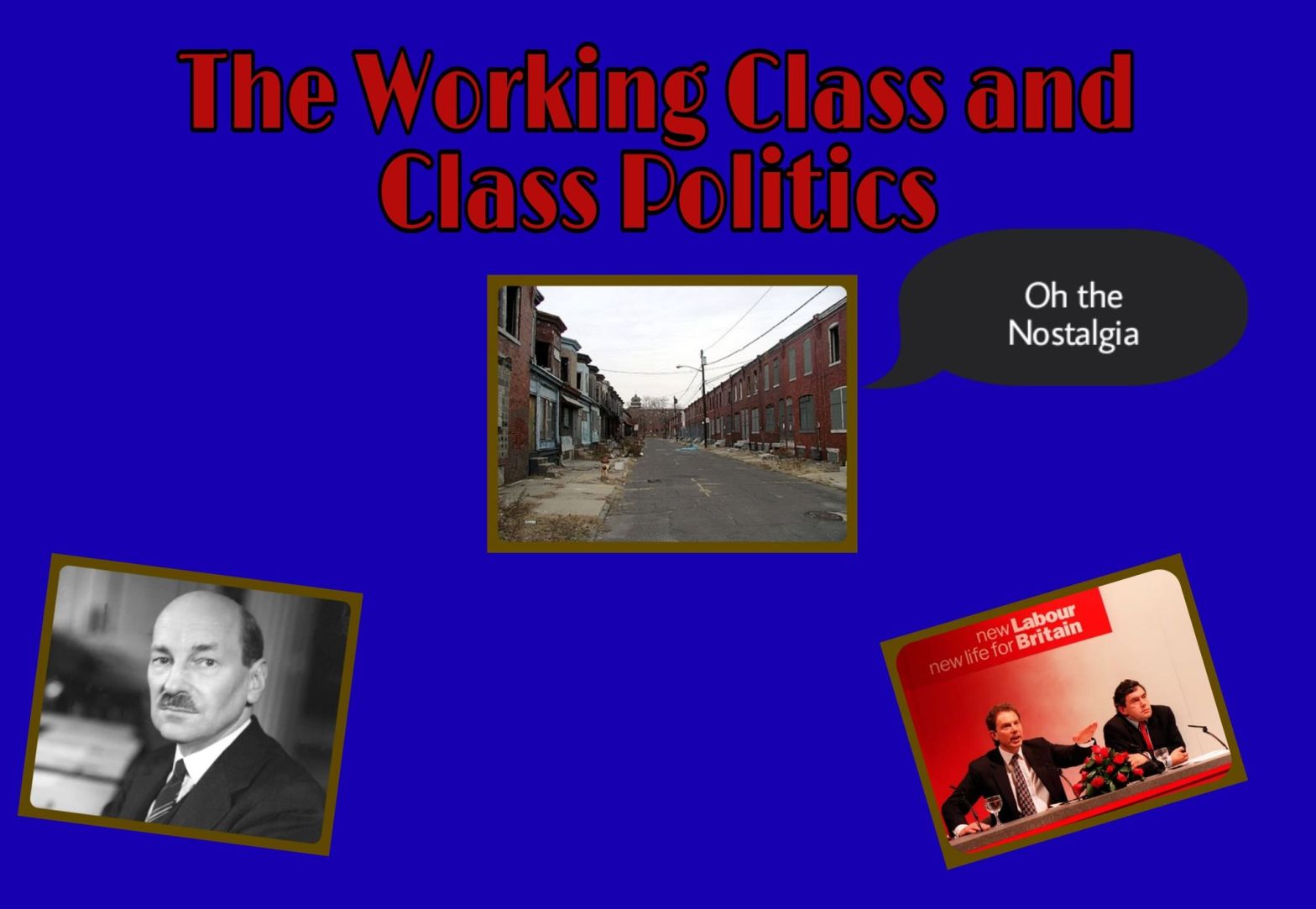
The Working Class and Class Politics:


Who are the working class in Britain, who speaks up for them thus how are they inclined to vote? Years ago it felt fairly simple and obvious with a party, strongly aligned with trade unions, who’s key aims were to improve workers rights, make their lives more comfortable and really made society that bit fairer.

So apart from this, what were Labour like at that time? Well, while they were “opposing the communist party“, there was also a stronger sense of patriotism which appealed to traditional working class voters. And while they have remained “the” party of opposition, we know that much has changed within the party and within wider society.

Who were “Old Labour”?

So let’s advance on the brief history of the Labour party which I spoke about in the first post in this series. So in the 1930s and the 1940s Labour were committed to “stressed national planning, using nationalization of industry as a tool” while being affiliated to the trade unions. A strong legacy was made by Clement Atlee’s government between 1945 and 1951, where the NHS was founded, numbers of services including electricity, coal and railways were nationalized and free secondary education became a right. Though Atlee, according to Roy Jenkins, was said to be “profoundly conservative in everything except politics”, was “strongly family orientated” and “felt no revulsion against his class and background” (being upper middle class).

This somewhat made their lives more comfortable, stable while it did give them a sense of respect, making Labour almost the obvious preferred party. Yet over the past 2 elections, “average house price in seats gained by Labour from the Conservatives” was 200,000 while “average house price in seats gained by Conservatives from Labour is Β£143,000.” So how has this notably changed to make these voters now feel out on a limb?

How and when did this Change?

Obviously this has got to be to do with the effects of deindustrialisation, as the working class as a group became less distinctive, which eventually lead to a divide between factions of the working class.

However let’s see what happened to “old Labour” during this time. So in 1951, Labour faced a massive defeat due to difficulties the government faced including “economic crisis’s” as well as the fuel crisis leading to a lack in voter confidence. This was also at a time where there was growing conflict amongst the party and government significantly reducing the confidence.. Though in 1964 Labour under Harold Wilson formed a government, however when James Callengham took over as Prime Minister, once again there were significant problems which him and his government faced including famously the Winter of Discontent. However probably more significantly there were growing divisions between the left and the right within the party. Subsequently the huge defeat against Thatcher in 1979 on top of increasing tensions within the party and a seemingly diminishing working class led to an increasing demand for Labour to adopt a more right wing approach. Many MPs supported this cause and believed it was the only way forward. And one could argue that they were right, because it is true that since Harold Wilson, it has only been Tony Blair who won not one but three elections for Labour, while the more left wing leaders following Blair didn’t have this success. Yet though many feel this turning point was inevitable, it has possibly lead to Labour having a different audience for good…

Even the guardian argue that “Labour’s lost their working class support for good” for many reasons, as Labour saw a large increase in middle class votes under Blair as the working class vote were no longer enough to secure them a victory. However it goes further repeating what Labour MP Cruddas said, that  “the Corbyn revolution in the Labour party has narrowed its social base even further, making it the party of young, middle-class southerners, popular in London and some prosperous university towns.” This way we see how Labour have gradually moved away from it’s traditional policies of “constitutional indifference and economic radicalism; reformism and conservativism; patriotism and internationalism”.

Instead taking a very brief analysis we have seen Blair’s Labour removing it’s radical economic policies and instead adapting to the liberal mainstream meanwhile under Corbyn, though they certainly had more of “old Labour’s” economic values, the lack of patriotism. Which may not be such a bad thing, depending on your point of view, though as many voters of the working class living up North tend to have this strong sense of patriotism, then is it such a good move? Or alternatively does it not matter as these kinds of voters are dying out?

Where we are at Now?

Personally I feel social media has played a significant role in leading a caring, open but very smart and passionate generation into being more politically aligned. Therefore in the future it may mean alternative policies may need to be made increasingly inclusive to satisfy the needs of the young. While as human nature dictates, we still enjoy a good moan about ourselves, and as it becomes increasingly more difficult to get on the property ladder, and while the prospect of job security, even with a strong degree, seems to weaken- perhaps the future battle may not be about class. But rather it will have to be about a more socially mobile society, especially geared toward the young- which will quite rightly not allow for leaving anyone out.

I probably delved into a bit of a naΓ―ve fantacy, so feel free to tell me what you think… but regardless of this, the poor in Britain is not going to die away. And over these years there has been a brewing complacence. As it is now true that in the most deprived factions of England, more people voted leave. Within the three areas with the highest proportion of Brexit votes Boston near Manchester, South Holland near Birmingham and Castle point within Essex, with 75.6%, 73.6% and 72.7% of the people voting leave, the former two towns have been heavily effected by deindustrialization and have above average rates of child poverty. While the latter has a proportionately higher “Old Age Dependency Ratio than most other areas with an estimated rate of 431.1 people age 65+ to every 1000 working age” compared to England’s average of 286.8.

Most likely this reflects the feelings of negligence, anxiety and possibly bitterness within these areas, causing the people to choose to vote for something which they think will mean that help will be directed further toward them… Which also sadly but understandably suggests that some are going to be less willing for a party which now stands up for minorities within society more so than Britain’s main party does… With the same kind of essence that this party is not going to work for them any longer due to the lingering effect Tony Blair’s government has had on the country… Part of this has manifested into the increased support for far right parties in the past and more recently such as the BNP, the National front and Britain first. Though these parties didn’t have too much real success, the success of the “more respectable” UKIP and the Brexit Party have proven the extent of how the divide between the working class and policies has changed.

So who are the New Working Class?

Well once again we are going to need to look at different groups within the “working class”, in order to answer this question. Now the meaning of what it means to be working class feels more intuitive compared to what it once was, but those who have been victims of deindustrialisation, those who are young and working in low skilled employment while still in education and those who have migrated to the UK who tend to work long hours on low wages tend to be part of this.

Now each group are obviously going to have differing aspirations and will generally have different political views. And while you can understand the sympathy toward “the white working class” due to once having more lets say stability we need to be open minded toward anyone who is less financially fortunate. Because anyone working in hope of achieving a better life and anyone who works extremely hard in order to simply live and hope for their children to have a better future who may have nothing to lose needs to be treated with the same sense of compassion compared to someone who has lost it all. With an enormous amount of misunderstanding towards either group, with superficial feelings that all of the former are “lazy, dirty racists” and the latter being “stealing, greedy and already very privileged” it leaves too much room for criticism by and toward both sides, when what we need is unity.

Read the next post to find out more about the media’s role in the demoralization of the working class, to decide the extent of this for yourself!

Sources: Gov.UK, Wikipedia, Britannia.com, Socialist worker, Spiked, The New Statesman, The Guardian

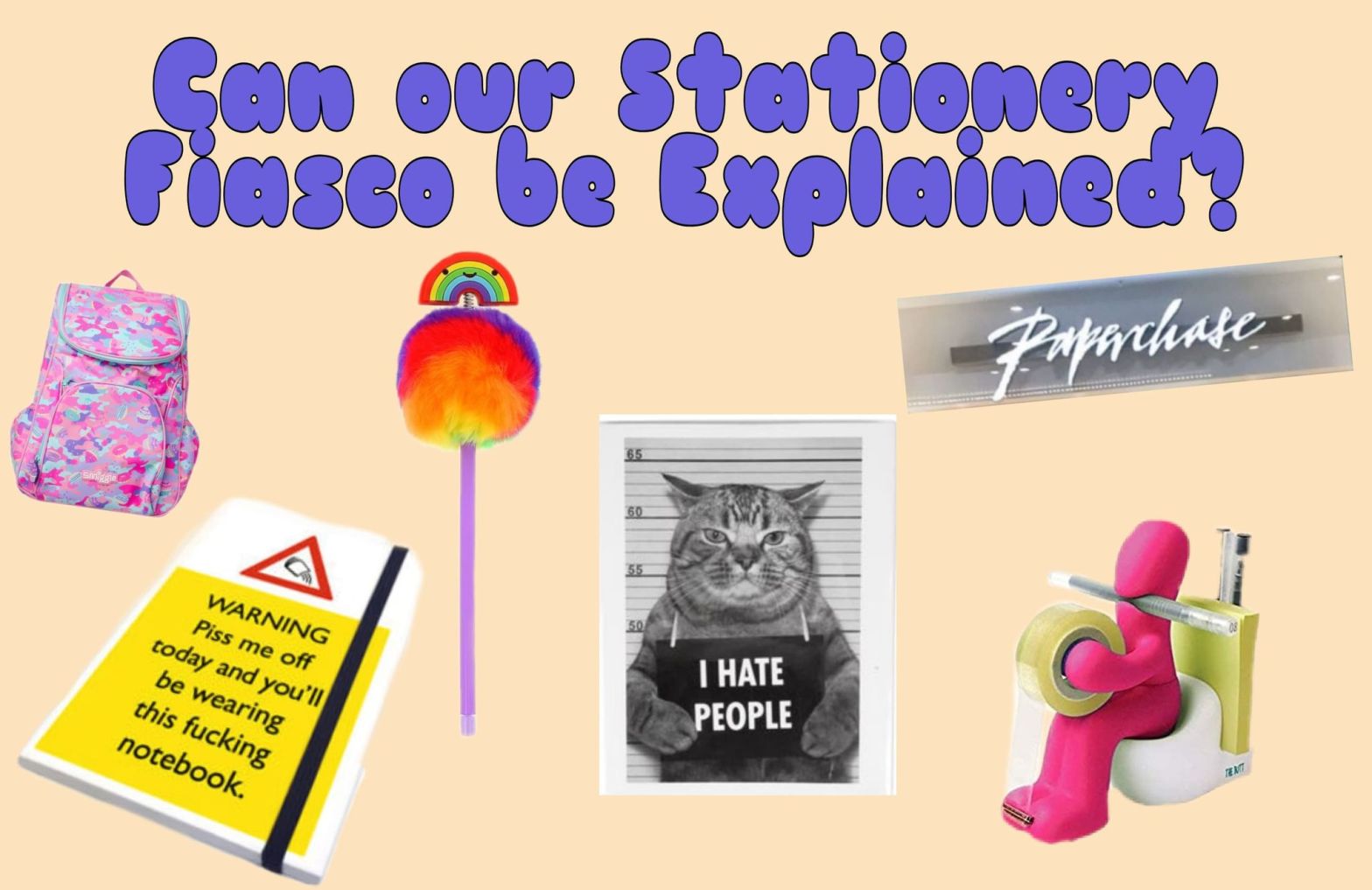
Can our Stationery Fiasco be explained?


So it is that time of year again where anyone in education is either considering spending a load of money on school stationery supplies, or is nagging a parent too do exactly that! Because it is exciting, a new school year (the last in my case) where we are given a clean slate in affect in order to try yet again to keep on top of the work and to continue to be organized. You may wonder how exactly stationery comes into this. Though thinking about it, it is far more than it being about new stuff corresponding to a new year and a fresh start! Because imagine being aged 15, being forced into a very strict school uniform while being prohibited from wearing any kind of jewelry, makeup and hair dye. Now imagine being 17/18 and being close to taking your A levels, knowing that you need to level up on the studying. But you also want to buy something practical to make this more palatable, and really you don’t have many options. Finally that you are 20 and you are studying for a degree at uni. You have little money yet you are on the hunt for something which sparks joy! Sounding rather pathetic to most, yet I am sure that if you are or if you have been in one of these situations recently, then you can painfully relate.

Nevertheless stationery never used to be a gimmick did it. Therefore what wider cause has actually sparked this trend, if it is one…

Firstly it looks as if stationery is increasingly becoming a product of fashion and self expression proven by the rise of novelty stores specializing in stationery like Smiggle, Paperchase and Mustard. The products sold in these kinds of stores range from an impressive variety of notebooks and journals, vast collections of fancy sticky notes and even paperclips in the shape of the Queen! Now the reason these establishments are doing ok has obviously got something to do with the way they do create exciting, distinctive and new products which is going to spark strong excitement within any young person. As if it is a new means of self expression. Taking this further, Geradine James, manager of Selfridges, compares this to “carrying a handbag that you’re proud of”.

But there must be something else lingering behind the success of these shops. Because it is expected that people are becoming more into stationery to give themselves a break from the faced paced and never ending stress of the online world. Alternatively they seek to have at least some sense of the analogue world. Being true that it is millennial women who are “nostalgically seeking the alternative to the use of tech!” It is unsurprising though that we are craving this, because when using analogue products we tend to be able to concentrate more, maybe due to reduced distractions. Furthermore it is the relief of being able to have a break!

Yet if you happen to be a shop specializing in the “boring stuff”, then chances are you are losing out! Just like Staples having suffered as people buy less day to day stuff but are “falling in love” with some of the more specialized craft products. Most likely this is due to stationery being brought for essential reasons, as much admin has moved from the “bulk of paper” to the computer. While there are more people wanting to use it for relaxation means.

Therefore especially amongst young people, a significant proportion of money spent on stationery is for unessential purposes. And I think the same pattern is prevalent among even younger people. Because let’s face it, most adults who have their head half screwed on would be reluctant to spend more than a few pounds on “toys” for their children to have at school knowing that they would act as a distraction within the classroom. However most would find it more difficult to say no to buying their children stationery because although they are still likely to fiddling with it in the classroom, at least there is hope that it will provide some practical purpose! And I think this could be the case with older students and even those with office jobs. Because there is always the need to want to buy something which is fun and/or fashionable but at the same time we do not want to feel guilty for overspending.

Concluding from this, I have fallen a victim of this to some extent though I do think that I have a reasonable grasp of control. As whenever I walk past somewhere like paperchase, I cannot resist taking a wander in and looking at all of the various pens, notepads and rubbers (as well as the Boris Johnson dog toys) just to see what they have on offer. But how healthy is our new found love of stationery?

Well I am having to go with the boring answer in that it is a bit of both. Because how harmful can a break from the internet be, really? And if this means a hobby which involve the purchasing of a lot of stationery such as journaling, then so be it! Because it not only provides an essential break from a sometimes toxic environment and that it can improve productivity, but it actually isn’t even that expensive when we think about it. Because if the correct things are brought, then we can get many hours of satisfaction while paying a low price. However like with anything, it is rather too easy to end up spending a fortune on it which subsequently leads to us being unresourceful. Then as a result not only our pockets would suffer, but we also need to consider what the impact of buying a load of plastic pens which never get used would have on the environment.

Is Britain Really a Dog Loving Nation?


Oh dogs. Dogs, dogs dogs! It would be silly to ask anyone what they think of dogs, as it is a well known fact that everyone loves them! But maybe you own a dog or have a favorite breed- though let’s not mention animal cruelty and inbreeding. As I am very fond of anything with a cute little scrunched up face, including pugs, as well as French and English Bull dogs! Not to mention all of those tiny ones which could probably fit into your handbag, including the Chihuahua, the Shih Tzu as well as the Pomeranian which I swear weren’t in fashion until a few years ago. Though are we taking this love for dogs a little too far, to the point where we are letting ourselves to be provoked into fueling an industry that does more damage than anything else to dogs? Because do dogs really enjoy being used as dolls to put clothing onto, is it fair that we pose a huge risk to the health of dogs in making them look “more desirable”, and can we really all call ourselves a “dog loving nation” or dog lovers when we always have been and still are using dogs and other animals for our own benefit?

Why and how we are an animal loving Nation:

The Bulldog being a symbolic representation of Britain, manifested within British Nationalism and our strong sense of patriotism seems like a good starting point to describe our peculiar sense of love, pride or even identity associated with; well dogs. Because their rigid frames, seem to effortlessly resemble strength, pride and power implying their warfighting rage. Implying a more romantic connection with dogs, rather than a deep sense of compassion. Though saying this, we were the first country in the world to begin a welfare charity for animals.

Over the years both senses of love or obsession have not died down as online we are swarmed with pictures of other people’s dogs, often sporting a “trendy” pair of sunglasses which don’t fit, or with their hair tied up in a little bow! While they have seemed to have become the preferred “child” for young millennial couples! Though do we care as much for their welfare as we like to think we do? Because though over half or us are “dedicated to keeping a minimum of one pet”, it it also the case that there are up to 10 million pets suffering from physical or mental stress while half of cats are overweight! This is probably as a result of out diaries becoming increasingly packed while our homes continue to diminish in size, making it harder for us to look after our pets than what we would like to think. Though aren’t these factors which shouldn’t be ignored?

Yet there is another problem with the British (and the world’s) attitude toward pets, where the crazy but also very busy cat lady cannot be blamed!

The Ugly History behind what is Sad about Today:

The truth that most, if not all dogs today are here as a result of inbreeding. This all goes back to around 15,000 years ago, when humans begun to “feed and breed” wolves for hunting, herding, sleding and guarding. Soon resulting in a desire for these wolves to have certain traits, resulting in the collie for example being bred for vigilance while others were bred “just for fun”. Thousands of years later the culture of “showing off dogs” began to kick in, as well as just merely using them.

This all began with the worlds first dog show, in 1857- taking place in Newcastle Upon Tyne- which just happened to be in England! Limited to only two breeds of dog, who wouldn’t have been badly inbred, this doesn’t seem like too much of a deal. Yet it wasn’t long until these shows really began taking off and spreading across the world, promoting further inbreeding to enhance the desirable features of dogs.

Around the same time Crufts, a dog show in the UK, took off. Early shows here were said to be dominated by animal abusers who “would be more likely to kick than stroke their dog”. These brutal practices were cleaned up, yet there was nothing in practice to stop or prevent inbreeding… But why is the inbreeding of dogs such a thing even now when we are far less reliant on dogs for things like hunting?

Some of the reasons for inbreeding dogs are that often some dogs contain a desirable trait, where there is also a genetic mutation which results in this. Proving that most dogs here today are going to have some kind of genetic mutation, though they have been inbred to varying degrees- and this only looks to be getting worse. But why do we really want to continue to inbreed dogs, when we no longer “need them”. A large part of this, at least in the way I see it, is that modern dogs shows have created a “beauty standard” for dogs, which wealthy owners feel the need to comply with. Especially if they want to enter a dog show themselves! Additionally the sharing of dog pictures on social media has further enhanced this standard meaning that these standards become further imbedded into the mainstream. This results in more well off people subconsciously purchasing a dog that looks “closer to these standards” thinking the dog is more attractive, being either unaware, or choosing to be unaware of the cruelty going toward the final product!

How it “Works” and the Hideous Effects

“Selective deliberate inbreeding” refers to “something that has occurred for many decades in the pedigree dog world in order to maintain the purity of bloodiness and increase the number of dogs of a breed displaying certain desirable characteristics”. While the desired result can take many decades or even centuries to be achieved. But as this trait becomes increasingly prevalent in offspring, it also narrows the “gene pool”. Leading to there being far less variety, sometimes to the point where there is no longer a variety of colours! Alongside this, this excessive breeding heightens the chance of recessive mutations and as more dogs with this gene are bred, it means the offspring stands a chance of inheriting both the parent’s genes. Resulting in a range of health complexities.

Just one being “Hip and Elbow Dysplasia” where “affected dogs suffer from pain and disability due to the deformed structure or the abnormal growth”. Meanwhile look at the modern pug. Who may be cute yet is likely to inherit various problems “with eye, hips, spine and breathing” mainly due to the exaggerated scrunched up face. While the English Bulldog’s head has been made so large that they now “can’t usually be born naturally without the need for castration section delivery” and even the Labrador has “an elevated risk of developing hip dysplasia”.

Where this is Still Continuing

Sadly the inbreeding of dogs has not yet come to a halt and if anything the inbreeding of dogs is still on the rise. Looking as if even what you may think of as being the old fashioned dog show isn’t going to pan out any time soon. But what is it about these shows that attracts so many people, even to this day?

It might seem peculiar to us that those who contribute in dog shows are certainly not in it for the money. Though considering the wealth of some of the contests, it is hardly surprising as we realize their “hobby” is a outlook for showing off their wealth.

In America, Westminster Kennel club doesn’t even offer any monetary prize for the winning contestant yet it costs $100 to enter the show while buying a dog that is contestable can cost up to $8000. Nonetheless if you think that this is expensive, then the campaigning and preparation for the show can cost $250,000 in order to make the dog look as “smart” as they can, which can obviously include making a massive expenditure on breeding. While in England, Crufts dog show is still very much alive, however once again they are a little more accepting of non pure breeds. Back to America, inspite of the cruel practices, it seems as if the people competing seem to think that it is all a bit of innocent fun. With contestants quoting things like “they have loved dogs for as long as they remember” and comparing it to the pride when kids do well at school.

Contrary to this kind of unconditional love, the “American Kennel club”, Β registry of purebred dog pedigrees in the United States, has only recently started “breed awareness”; recognizing each dog for who they are. Rather than having unrepresentative categories where not every dog was there. Besides it is said that “the police found 38 dogs, living in small crates filled with fur fleeces”. While “many were malnourished and had eye diseases and overgrown toenails” and 13 even had to be euthanized.

On top of all this, we probably all know that dressing up our pooches is becoming increasingly popular. While a pair of sunglasses probably isn’t the most comfortable for the dog, it is not that uncommon to see dogs dressed up in a full mini suit and tie, as superman or even as a bloody Easter bunny! The RSPCA says that it is ok to put clothing on dogs for practical reasons, especially if the dog is especially thin, old, small or ill. Yet like with us, dogs are able to feel what is being put on them, including the collar. Therefore should it really be so acceptable to be making the dog wear a thick outfit indoors when it is not that cold, when they a) feel it going on and b) already have to deal with wearing a thick coat of fur?

What we can Try to Do

I hope that from this you can see this is a inhumane practice, though it is likely that you feel in awe, not knowing what you can do to stand against this. Now the obvious would be to not buy inbred dogs, yet we know that this is practically impossible when all dogs have been inbred to some extent. Yet we know that some are going through this in worse ways than others, and often it is those which seem to have exaggerated features who are going to be worse victims of this. Meanwhile it is important to do research into whatever dog we are looking to get.

Moreover purchasing a rescue is never a bad idea, and they are very often free! In comparison to the extortionate prices of some of the most heavily inbred dogs.

Finally show some respect. Remember that a dog is not only for life, but they are not a toy, or a possession. Therefore consider the impact of putting accessories on the dog, or the impact of leaving them in a small enclosed area, or even “playing” with them when they do pull away (though I know usually they don’t).

I am also listing a few relevant petitions down below.

“Stop dog Inbreeding”

“Crufts dog show: stop promoting painful and life-limiting inbreeding!”

“Fight for Animal rights! Stop Inbreeding!”

“Stop Animal Cruelty”

Sources: Petsforhome.co.uk, UKpets, The Kennel Club, Animal Bliss, The Dog Place, CNBC, AKC, How Stuff Works, RSPCA

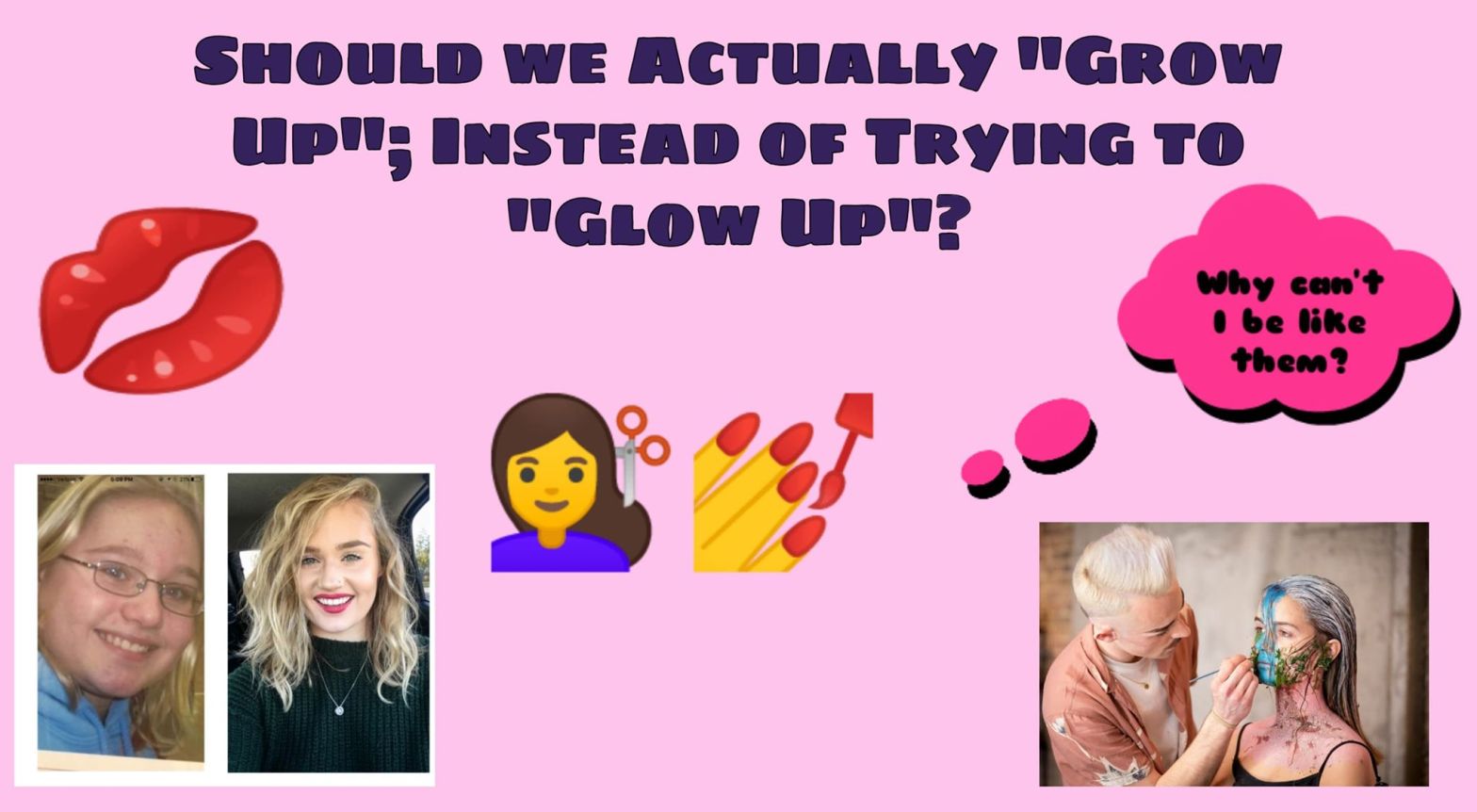
Should we Actually Grow Up; Instead of trying to “Glow Up”?


“How to Glow up over quarantine”, “Glow up series 2 crowns winner ” , “Glow up challenge: How to become prettier in one month” are just some of what pops up if we type up this term. Which in my view just gives a small glimpse into some of the pressures faced day to day, telling us how we ought to be making a conscious effort to better ourselves, so therefore we can comply with social media’s modern day beauty standards. Yet what actually is “glowing up”, what is the point of it, and should it actually be a thing at all?

What is Glowing up?

So the definition is often a good place to start. However as you can probably guess there is a good range of terms out there… According to the Urban Dictionary, it is a pretty basic (and shallow) concept, simply meaning “when you go from ugly to stunning”; meanwhile “wikitionary” defines it in a very similar way being “the complete transformation of a person’s appearance for the better”. This way it seems as if the true meaning behind a “glow up” is basically the same as how it’s portrayed online, though there are variations as to what this really means. As while most people do think about it as simply being a transformation of appearance, some people use this term to describe a change for the better in a persons lifestyle or wellbeing, such as managing to significantly cut down or give up on alcohol or smoking, obtaining a healthier diet or experiencing an improvement in mental health. Therefore has the term “glow up” just been hugely misinterpreted, or is the whole concept and meaning of this toxic?

How is it Used and Why could it be a Problem?

Traditionally the term glow up was meant to be “another phase for going through puberty” but focusing on ” the improvement of physical, individual style and overall attractiveness and maturity”. This in itself can be interpreted in many different ways, because while this may refer to a young person developing their personal style and tastes it can also implicitly imply something rather more demeaning. “The improvement” of “overall attractiveness” can not only suggest they were less attractive as a child, but it could imply to the teenager that if they ought to be spending a sufficient amount on makeup and clothing in order for them to be able to “improve” visually even though many teenagers and their families do not have the money to invest in such a drastic change. While if they don’t see a “sheer improvement” in themselves, and if other people don’t point anything out either, then it may lead to them feeling as if they are “not good enough”.

We have only been talking about “glowing up” in very recent times, but the culture surrounding “glowing up” has certainly not come out of no where. Perhaps you felt good about yourself when your style began evolving, when you were given the go ahead to dye your hair or when you began exercising more frequently. Plus let’s not forget the numerous numbers of “makeup transformation” videos which were watched at too young of an age (these are still common now), not to mention happily scrolling through clothes online, knowing that not very much would be affordable. Thinking of this leads me to wonder whether the previous generation would have felt as much pressure upon them regarding the way they look, at such a young age. On the other hand I certainly feel that those who are a few years younger than myself are going to have it worse still, as technology and social media becomes increasingly prevalent in the life of someone of that age.

The act of Kylie Jenner having her “transformation” which included the significant change in the shape of her lips a few years ago, suggested that a term was needed to describe this kind of change. You probably also remember this leading to far too many young people resorting to a water bottle, in either a desperate attempt to replicate the shape of her lips, or just as part of the whole trend- which basically boils down to the same thing. Though forgetting plastic surgery, surely there cannot be too much wrong with celebrating the change in your own or in someone else’s appearance over a period of time. Well with it being referred to as a “glow up”, it does raise the question of whether the person is thought to have been glowing as much beforehand. And seeing as it is mainly a visual thing, it is basically suggesting that a person’s self worth depends on their appearance, rather than on the gradual growth of character. Therefore with this shallow concept being so prominent, there is no wonder why there has been a decline in adolescent mental health in recent years. Rather would it not be better to invest time into focusing on becoming more mature internally, finding other things to occupy ourselves with? So yeah, you are probably going to look different before and after puberty, and your style too may have significantly changed, but seriously you do not need to worry about layering a lot of makeup on and investing a load into clothing if it is not your thing, and you most certainly shouldn’t be worrying about a few spots on your skin!

But Where did all this Originate From?

Well “glowing up” was once referred to as just a “glo up”, and while it is still unclear where this originated from, it is thought to have been traced back to song “Gotta glo up one day” back in 2013, where the theme was centered around making financial gains. Then between 2016 and 2017, many you tube videos were made centered around the process of having a “glo up”, which really looked very similar to how they look today… While Buzzfeed article titled “21 painful truths anyone who has experienced a glo up will remember” tells those who have experienced a “glo up” that they once wore makeup “making them look like a travelling circus member”, that their “phone was always dry AF on valentines day” and that “their best feature was always their personality”. Now this sounds like just a rather light hearted and actually funny article, and to be fair it is, yet it does represent a sad underlying truth about the silly simplicity of how the online world views us. Other content during this time frame cannot be much better either (and I reckon that some of this has been written by people much younger than myself). There is one example promoting having “eyebrows always done”, “closet updates once a month” and to be “better at makeup”. Oops! Though funnily enough, according to that, a “glo up” also includes things like having “good grades”, having a relaxing Sunday and to love ourselves? This way it does touch upon deeper aspects of glowing up, which would lead to an improvement of our over all wellbeing. However (sorry to who wrote this post) do we really need to be doing our eyebrows every day in order to “love ourselves”.

What is a Glow Up Now Then?

Though mainly now the term glow up refers to someone looking better on the outside regardless of age. For instance Adele’s change in appearance was referred to many as a “glow up” partly due to her change in style, but also due to her weight loss… Meanwhile there are many videos and articles in circulation, giving advise on how to glow up often over lockdown, or even how to glow up over two weeks. It is difficult to say whether this is better or worse than before, because the initial interpretation would be that it is better to promote an optional change in appearance over whatever period of a person’s life, rather than pressuring young people into feeling that they have to “look better” at the end of puberty. But even so this current glow up culture doesn’t seem to go any deeper than what we were faced with before as once again we are being told the importance of looking “prettier and glowier”, “shedding a few pounds” oh and the “beauty sleep”. And while you could argue that this does focus a lot more on health, it still seems as if this is yet again rooted in appearance rather than anything else. As it is always about skin care products which help remove spots, sleep to remove those NASTY dark circles or the importance of cutting out carbs to fit in those jeans after a week, rather than the importance of a long term, healthy, but fulfilling diet with sufficient time to add in an exercise routine which is actually enjoyable! Or sleep because it is actually really important for your long term health. Rather than things which are merely meant to benefit your appearance.

Can it be Positive at all?

Let’s have a quick look at where the concept has been exercised in less of a shallow way. There are such things as “financial”, “educational” and even mental health glow ups out there now which are said to “provide life long lessons which will out last appearance”. Now it is funny that this is said because it almost contradicts the traditional meaning. Yet this does come from a website which states that “glow up culture fails to acknowledge the privileges’ and differences between us and public figures”. Which is perfectly true, because most of us do not have the time or money to invest in doing 3 workouts a day, a weekly trip to the spa or on a walk in wardrobe! Not to mention how expensive it is to get plastic surgery (even a boob job can cost over Β£5000).

Though the question remains, why on earth are so many of us obsessed with this fanatic of going from “ugly to pretty”? But it is rather clear that much of this culture will not go away, when the term glow up fans out…

So I think that it would be a reasonable judgement to say that the term “Glow up” is not great at all, as it is a general reflection of the extent of the underlying beauty standards to which we are all a burden to. Yet whether we want to look at this as a transformation which happens around the time of puberty, or whether it is something which can happen at any period of out lives, or both- we can also think about it as a development in ones character, style and personal attributes. As Odyssey states that “The real “glow up” is when we are OK with being alone, OK with conquering challenges, and OK with facing reality” rather than “about having perfect eyebrows, clear skin, and a perfect figure”. Which I feel is totally true!

Free Speech vs Cancel Culture: Why not Listen?


Alright, who else likes to speak their mind? Yep, not just me right. While who else wishes they could say more than what they actually choose to say; maybe due to fears on how people will absorb and react to our opinions? Yeah… It is not that surprising knowing that we will be forced to take a large step back once we have finished, and have them belittle us. Even if we happen to be right, we know that once we have finished talking they are going to have to reciprocate for at least 5 times as long!

This is at least the case with me and not really with just free speech, but with making decisions, taking up opportunities and even- well, just talking. Life sucks. And I think it is true when they say that the “stronger personalities” tend to dominate whatever climate we are in, as they kind of feel automated to do so. Now if this was the sole issue that this post will be about, then it would be bad enough. Though unfortunately, at least the way I see it, this issue with not being able to say what you wish does more than just “spill slightly” into the political world. With terms like “cancel culture” becoming widely incorporated into our social and political vocab, it is pretty evident that many of us do seem to have issues with other people’s fundamental rights of freedom of speech and expression. Though I’m not sure how anyone would feel if they got cancelled! But should we “cancel” these concerns relating to it, or are these problems something which we we ought to be paying more attention to?

What’s Wrong with Free Speech?

I suppose some might say that free speech is a problem within itself because more problems tend to arise from it, as to get resolved because so many different views and experiences are expressed. This might lead to some saying it is not only unproductive, but it is often damaging due to the amount of discord that could arise from many people discussing opposing points of view; in which there is often a strong emotional attachment to. This way it is almost inevitable that further conflict will arise. However we ought to regard this as being of a pretty weak argument because when you think about it, the more views and experiences which we are exposed to, the more open our minds become. Therefore in theory this ought to lead to a “nicer society”, however many could rightly argue that evidence proves that it is not in the nature of us to be so open and uncritical, at least until we actually understand where everyone is actually coming from… Though the reality is that there is probably enough evidence to legitimately justify either side of this argument. However I do like to imagine my gut feeling to be that freedom of speech and expression, when exercised sensibly, will lead to problems eventually being resolved, rather than caused.

What About Cancel Culture?

But how can we prevent the numerous amount of tensions arising from the power of free speech? Well one method would be by exercising “cancel culture” in order to eliminate; well anything that either looks silly or that makes the picture rather too complicated. According to Wikipedia, this “describes a form of boycott in which someone is thrust out of social or professional circles – either online on social media, in the real world, or both.” Furthermore this is “commonly used in debates on free speech and censorship.” This way it is implying that if someone in a particular group utters a view that many within that group disagree with, the person can not only be disregarded, but also booted out of the group. While in wider society, the way I interpret this is that any varying views within a mainstream category will be silenced, so different mainstream categories would appear more united and resolved, when this isn’t really the case. But it’s not really fair is it, to silence or even exclude those with opposing views, and would it not be wiser to educate these people if they seem to be in the wrong?

While according to Pop culture dictionary, it refers to “the popular practice of withdrawing support for (canceling) public figures and companies after they have done or said something considered objectionable or offensive” often exercised “on social media as a form of group shaming”. This gives a slightly different description, but is still a similar exercise of blocking out everything which we don’t like the look of. Though it can be good in the way that it enables us to freely show our disapproval of the behavior of certain brands, such as being able to stop buying from somewhere if we find out that their way of producing clothing is unsustainable. However from recent examples, and from what I can gather; it could mean no longer “liking” or “supporting” a celebrity or influencer due to what they have said or done. Or just simply dismissing someone from a group of people (especially within a political discussion on social media), because they have said something which isn’t adjacent to the rest of the group’s opinions. Now this sounds like a pretty simple and effective way to, well, rid of all the bullshit. However surely most people who we associate ourselves with, who we may get along with very well, have questionable beliefs regarding at least one or two issues. Therefore although it might sound promising, it is kind of impractical! Meanwhile it is always better to educate others rather than simply block them out!

Also it means that those who now feel “silenced” on the views that have been “cancelled” are going to have no means of expressing what they think, therefore they are much more likely to remain uneducated. Which is not only unfortunate, but can be pretty dangerous because when people can no longer openly speak out about what they think, their opinions won’t go away but instead it will remain in their system, then froth and bubble, then will eventually spill over. Looking at the EU referendum result can prove this to some degree, with “33% of leave voters” said the main reason for leaving was to “regain control over immigration and its own borders.” What’s more is that after the referendum result there were “record hate crimes” with over “14000 hate crimes recorded between July and September”. Would it have not been better if people prior to the EU referendum felt that there was less of a barrier on free speech, meaning that their fears may have been more transparent beforehand. Giving others a chance to inform them so that they would be less hateful, therefore the referendum result may have gone the other way, and there would now be a far less hostile environment. Preventing it from instead “bubbling up in their systems.” Though I do acknowledge there were many other reasons why people did want to leave the EU.

How Easy is it to Enact Cancel Culture?

Nonetheless most of us are pretty guilty of enacting “cancel culture” even if we do not realize it. Including myself such as when I came across an Instagram account basically using Christianity to advocate against LGBT+ rights. With over 2000 followers, it was fairly accessible to Instagram users, however it wasn’t exactly so big to allow this kind of in my view, hateful, propaganda to blow up on Instagram. Now this account wasn’t doing any harm to anyone, however it was fair to say that no one likes seeing content which is hostile to any group of people. Therefore when I immediately saw someone advocating for this account to be taken down, I furiously found the account and reported it, before posting it onto my story, instructing others to do the same. But thinking back on it, I should have just written an comment to explain why I don’t agree with what the account was standing for in order to express my disapproval. This way it was pretty obvious that I was apart of this so called “cancel culture”. Oops…

This also shows how prone we are to reacting to the behavior of others, rather than carefully thinking something through ourselves. And while I strongly agree that unity is very important when coming about to achieve something, and it can be extremely effective within free speech and expression, I also feel that people ought to find the time to think through the conclusion that they find themselves drawn to. This would enable us all to become more rounded, as we gain a greater insight into other people’s views and experiences.

What are the Alternatives?

But with all of this anti cancel culture business, I am sure that there are many thinking that if everyone could say what they wanted to, it would cause much upset to various groups. Which I to some degree agree with, but then often people are aware on much of the rooted hatred. And some may differ on this, but I would personally rather hear more views that I disagree with and know that these views are being counter argued rather than know that these views are widely held, yet hidden.

I think it is also reasonable to say that many people who complain about feeling that they can’t “say what they want to” are what many would call the bigots in society, often holding racist, sexist or homophobic views. And though it would be nice if people could give them a nice little lesson, it is hard not to question whether they would actually pay attention or not. Within the book “Why I am no longer talking to white people about race” (I definitely recommend reading this) the Author Reni Eddo-Lodge perfectly expresses this concern. By claiming that she often hears people stating that many people feel that the defending of hate speech has gone too far, partly due to calls for certain words or phases deemed as offensive, to not be used. This is because it prohibits these people from exercising free speech. But then she quite rightly points out that she wouldn’t have a problem with these claims, if the same people would actually listen to what others have to say. As why should they be allowed to say what they choose to, if they are going to stop everyone else from doing so?

A prime example of this would be the fact that those who become arrogant when they are told not to utter certain words, due to being offensive to certain groups of people, aren’t necessarily aware on reasons to why they are offensive, such as how the word was initially used. While if the person became aware, then at least they would be able to truly decide for themselves whether the word or phase that they are using is really appropriate or not… Therefore to have a good level of free speech within society, is more than just about not cancelling everything that we don’t like, or about educating others, but it is about being prepared to reconsider yourself and make sure that everyone actually can be heard!

Therefore “cancelling” something in this way is like providing short term pain relief to a long term health problem, which could actually be cured by something else which would just take longer. But at the same time, it is very questionable of whether adults would be willing to “change” their opinions based upon what other people are saying. But yet again, if “society” chooses to cancel the wrong things, then it could be really damaging, and we all know the importance of having the right to free information. Though at the same time, complete freedom of speech and especially expression can be just as damaging, therefore it is a right in which we must exercise, but also regard with respect. Therefore I think it is important that we are pay attention to what others are saying. But to also be willing to speech up and provide a counter argument when we hear something which we don’t agree with, or know is factually incorrect, even if it is against that “annoying loud person”.